EN
EN  DE
DE ES
ES FR
FR PT-BR
PT-BR


AI Summary
- Document360 was selected for the Mayor's International Business Program, GoToGrow Cohort #7, among 57 companies. Benefits included mentors, trade missions, introductions, business opportunities, founder meetups, and breakfast meetings.
- At a breakfast meeting, Houzz founder Adi Tatarko shared six lessons: prioritize product and user experience, and devote 50% of effort to product and 50% to hiring the best people.
- Choose early investors who support the founders’ direction; Houzz maintained a lean four-member board to make informed decisions quickly.
- Founders dictate company culture, including how work and family commitments are balanced. Integrate life goals into daily life rather than postponing them.
- Handle competition by constantly improving and reinventing the product. Do not delegate matters affecting product, brand, or key people. Adi’s final advice was: “Don't enter just to exit, love what you are doing.”
AI-generated content. It may contain errors.
See Document360 in action
Background
This year, Document360 got selected to be a part of the Mayor’s International Business Program GoToGrow Cohort #7. Their mission is to support the global growth of ambitious businesses in London. We are privileged to be selected for the program after a tough selection process. Only 57 companies were selected for this year, along with the likes of Revolut, Curve, Mumsnet, etc.
Program Benefits
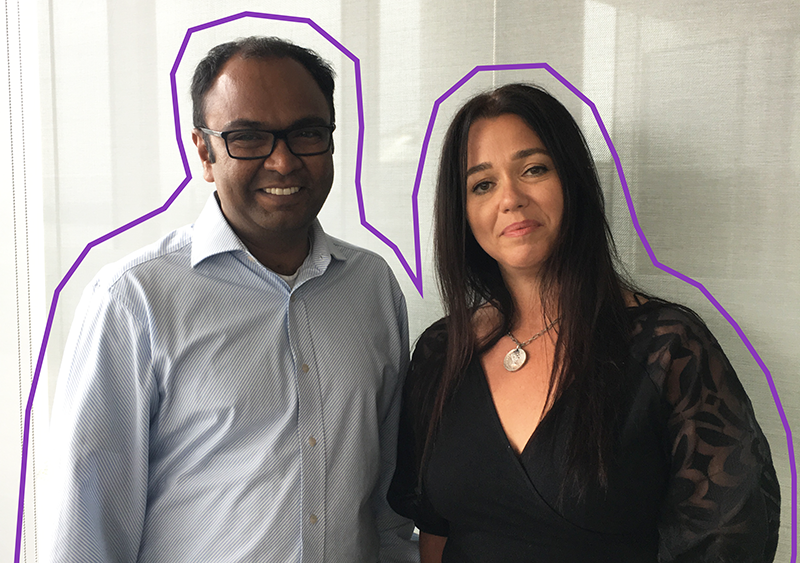
As part of the program, there are a few benefits, such as access to the right mentors, participation in international trade missions, introductions and business opportunities, meetups with successful Founders, and Breakfast meetings. One such opportunity came along, and I was invited to attend the breakfast meeting with Adi Tatarko, founder of Houzz.
Houzz is an online community and marketplace focused on home decor & home improvement. Today, Houzz is valued at $4 billion, with 2000 employees, 11 offices (5 USA, 6 Outside), $600 million in funding, 2 million professionals, and 10 million products. All those numbers are astonishing, given that Adi and her husband, Alon Cohen, started the company only in 2009.
Breakfast meeting with Adi Tatarko – The Discussion
About 20 people were invited to this meeting. Janet Coyle, Director of Trade & Growth, London & Partners, hosted the meeting with some interesting questions for Adi.
I saw a great passion, enthusiasm, and honest, open answers from Adi. I captured a few notes and thought of putting it together here. Here are 6 key lessons for founders from the 1-hour chat.
1. Initial Stages
In the initial stages between 2009 and 2010, Houzz was able to grow organically to 350,000 users purely on word of mouth without any marketing. The key factors that contributed to this growth at this early stage are their focus on product and user experience. As Adi puts it, “It’s always product first.”
They believed in concentrating on creating a lovable product first, and money would automatically follow. The second big factor in their success is their focus on bringing high-quality early-stage employees.
Lessons for founders #1 – Here’s some advice from Adi to early-stage founders —
Concentrate 50% on the product and 50% on hiring the best people possible without any compromise.
Once you hire the best people, they will hire the subsequent best people. Up to 150 salespeople, Adi personally interviewed each one of them.
2. Early Investors
Like your early-stage employees, early-stage investors are also important for your growth. Adi and Alon were fortunate to find an investor like Oren Zeev at an early stage. Oren told them clearly that they are in the driving seat. They are responsible for moving the company forward and he would be a passenger giving the assurance. Oren gave them the confidence that they could seek his guidance whenever required.
Houzz kept its board very lean. Till this point, there were only 4 board members (Adi, Alon, Oren Zeev, and Alfred Lin) despite the multiple fundraising rounds. This helped them to make an informed decision, like acquisitions, quickly and in an agile way.
Lessons for founders #2 —
When you are choosing your investor choose someone who will support you where you want to go. We had that luxury, says Adi.
3. Work-life balance & Culture
When you are running or working in a high-growth company, there is no such thing as work-life balance. That doesn’t mean you need to sacrifice one over the other. In fact, Adi loves her family so much.
The secret to this is to work on different shifts. She wakes up around 5:30 in the morning. At 6, she starts her workout/training. She feels it’s important for their kids to know their parents do exercise, and it becomes routine for them. After that, breakfast with the family without any distractions like phone, emails, etc. Then her work starts, again some family time in the evening, and then she does some email catch-up at night.
You bring it as a culture within the business. It’s ok to say no to an important board meeting if there is a family commitment, like your son’s basketball match. There is no necessity to come up with makeup excuses. Once you set this as a culture from the top, this will trickle down the organization.
Lessons for founders #3 —
“Founders dictate the culture of the company”
4. Living Life
You are always going to be busy, and there is no point in postponing things you want to do in your life. It’s best to have your bucket list of things you want to achieve and keep ticking them as and when the opportunities come. Never delay it for some time in the future. This comes as part of mixing work-life, and it’s also important to teach these skills to your kids.
Lessons for founders #4 —
Think about what you wanted to do one day and start integrating that into your daily life. Clear your bucket list on an ongoing basis.
She had the opportunity to meet and work with so many successful founders in the past 8 years. The most common regrets from a lot of successful people are that they didn’t spend enough time with their kids when they were younger. Once they are grown up, then you need to beg for them to spend some time with you. So do not let that happen, balance it out.
5. Competition
There will always be some copycats once you become successful. The best thing is to focus on what you are good at. Always remember the core values behind why you started the business and be focused on growing it to next, next, next level.
Just because your platform was good 6 years ago doesn’t mean it’s good today. You need to constantly evolve/improve your product to be at the top. Technologies are constantly changing. Things like visual improvements in technology, AI, deep learning, etc., have all advanced significantly, and you need to keep up to be a leader.
Lessons for founders #5 —
You cannot keep idle, you need to constantly reinvent and be a leader, that’s the best way to handle competition.
6. Delegation
I asked this question, “As a CEO, you get busy. What are the things you don’t delegate?” Adi’s answer to this question was,
“anything that affects your product, brand and key people, you don’t delegate”.
It’s important to make sure the product holds its value today with the original mission it was started back in 2009. Make sure your brand identity is preserved when you scale. In turn, take care of your people. You don’t delegate hiring top-level executives and taking care of your existing key people.
Final Thoughts
She finished the conversation with a great quote.
“Don’t enter just to exit, love what you are doing”
It was great to learn these 6 key lessons for Founders from Adi on running a successful company. It is now time to absorb them and implement the most relevant ones in our business. As she rightly points out, you should not become copycats! You should not blindly replicate a company’s success mantra. You can adopt best practices and integrate them into your process to see the benefits.
I definitely have some interesting and key takeaways from the discussion. It’s time to put them in place and improve the process.
Can you also relate to these lessons? Did you find them useful?